
“Nuclear power? No thanks” used to be seen on lapel badges and bumper stickers all over the place when I was young (with an exclamation mark rather than a question mark). At the same time coal mining was only something that Margaret Thatcher was trying to end.
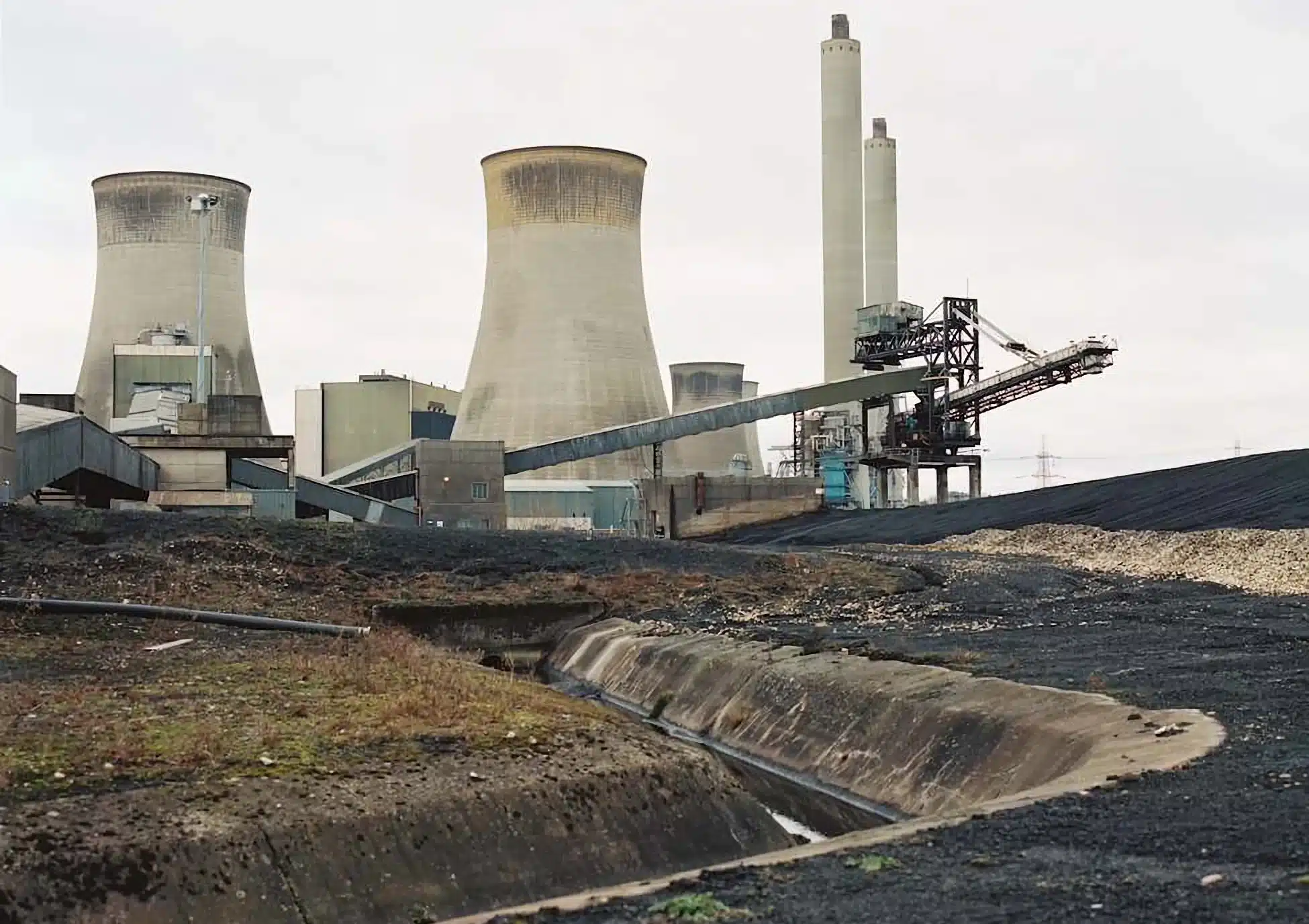
In the intervening years a changing perspective on the existential threats to humanity have changed the relative positions of these two energy supplies in the public discourse. Although we have learnt to manage them differently, none of the issues with nuclear power have gone away, and I suspect the concerns of communities will become very apparent again if small modular reactors become a commercial reality. However, it feels like there has been a significant change in the acceptance of nuclear power. It is seen as a technology that can help to solve the climate crisis, whereas burning coal (even if the emissions are captured) is not.
…is that engineering ‘optimisation’ too focussed on the needs of the energy system, without considering the role energy has in serving our economy and society?
Where will we be in 50 years’ time?
That has all happened in 50 years. It does leave me wondering where we will be in 50 years time. Which of the energy production technologies we have available to us today will have changed their position in the public consciousness? What will the narratives be that force that change? …and how will those narratives affect the choices about the investments that society makes?
There is no question that the current geo-political and resultant economic situation is driving the current narrative. Once again, it is the cost of energy that is dominating the concerns of politicians, industrialists and households alike, closely linked to concerns about the resilience of our energy system when we are so dependent on imported oil and gas supplies.
But what about the long-term? Despite the changing perception of nuclear power, the predicted roll-out hasn’t happened (yet) in the UK. On the other hand, we have managed to develop significant quantities of renewable generation, sufficient to let us close all our aging fleet of coal-fired power stations. Some would argue that this is also the perfect solution for the UK’s long-term energy independence.
Hidden costs
However, some of my engineering colleagues would argue that we are currently creating a sub-optimal solution with the investments we are making, that the hidden costs of these investments are storing up trouble for the future. I don’t think they’re wrong, but is that engineering ‘optimisation’ too focussed on the needs of the energy system, without considering the role energy has in serving our economy and society? Taking this wider role into account might lead to some very different narratives.
I do wonder how we would change the engineering if we really started listening to people…
If you want to see what it’s like to run an electricity company, our sister company Heuristic offer a unique Power Trader workshop, providing hands-on experience of energy markets unlike any other training.