
I started my career in a nationalised industry (British Rail) that was on the verge of privatisation. I then had a brief sojourn in academia before returning to a different industry (the power sector) that had recently been privatised. It was interesting to be a passive observer of this privatisation process and to spend much of my early career being trained by people who had strong views on the pros and cons of both public and private ownership of major infrastructure assets. Now that the renationalised Great British Railways is coming into being, it’s a good time to examine the case for energy system nationalisation.
…we will remain reliant upon the sort of ‘dispatchable’ electricity generation capabilities that were until recently provided by those legacy assets from a nationalised industry.
Replacing coal-fired power stations
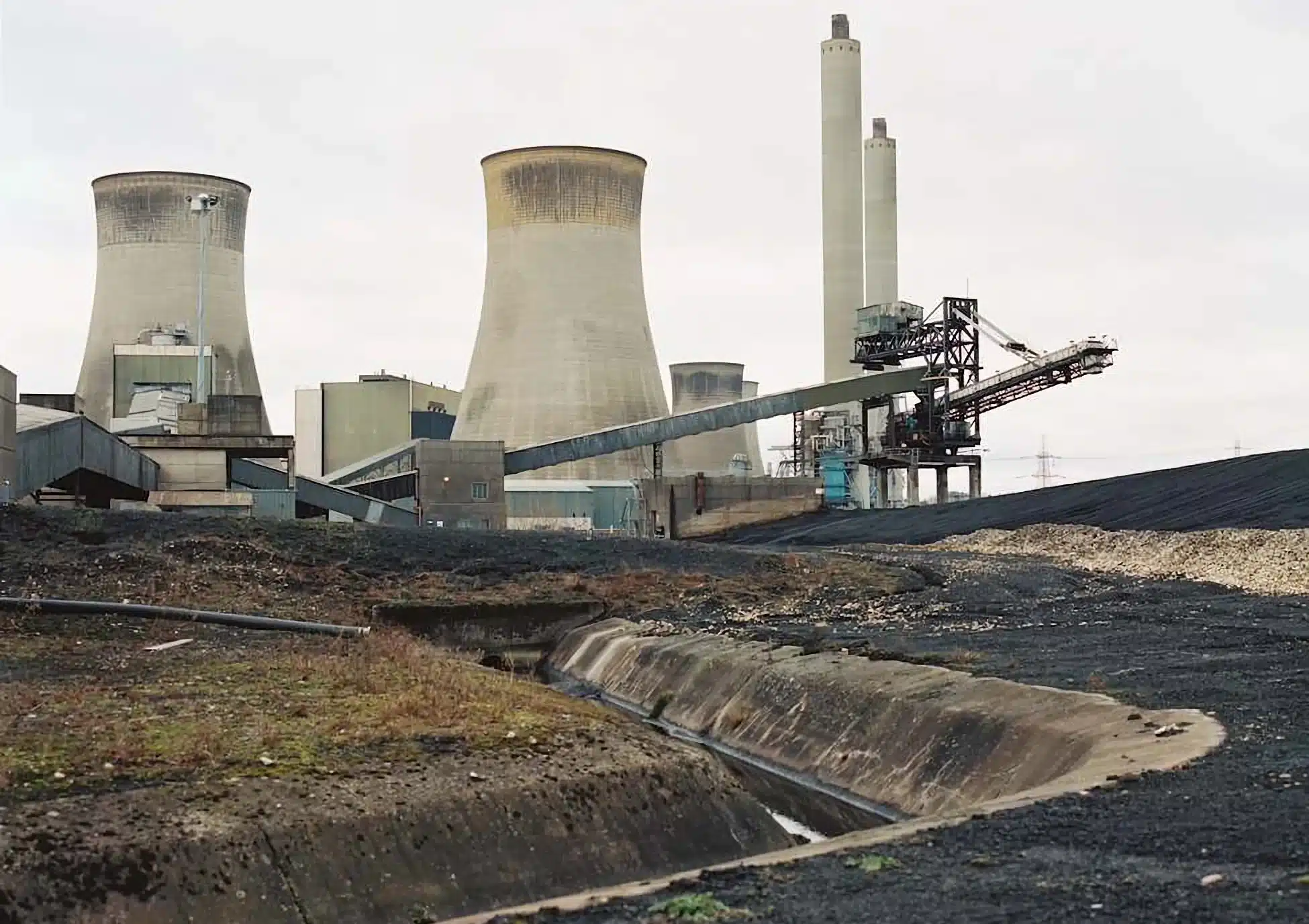
One of the major legacies of public ownership of an industry was significant investment in assets that lasted an extremely long time, assets which from a private sector perspective were arguably over-engineered but interestingly have until recently saved the private sector from having to make the significant infrastructure investments that they can now ill afford. For all sorts of good reasons, some of those assets, the coal-fired power stations that I worked on for many years, have now gone from the system, but so has the flexibility and energy storage that they delivered, and that now needs to be delivered in another way.
There are many ideas being postulated about what the response should be to the need for ‘flexibility’ within a modern, low-carbon energy system and many people with strong views about what should and shouldn’t be allowed to happen. Given where our system has come from, it is apparent that, at least in the short-term, we will remain reliant upon the sort of ‘dispatchable’ electricity generation capabilities that were until recently provided by those legacy assets from a nationalised industry.
Would energy system nationalisation plug energy gaps
This raises two big questions – what assets should be used to provide such marginal operation and how do you secure the necessary investment to deliver them. In a future where EVs and heat pumps are making a significant contribution to our demand for energy and renewable generation dominates, there will be times when there are large demands on the system and the wind won’t be blowing or the sun won’t be shining. These gaps are likely to be quite significant.
In work we are currently doing to explore different stakeholder responses to potential solutions to this issue, discussions have been dominated by the question of the scale of investment needed to maintain system resilience. One of the arguments that gets played out in the responses is the question of who benefits from the ownership of assets that are only called upon to operate for a very limited amount of time each year.
Who will pay for energy system resilience?
These will be expensive assets, and those owning them will need to be paid handsomely to ensure that they are there and available when the system needs them. Anecdotally, it does look as if companies being paid large amounts to own and run such legacy plant may not be well received in popular discourse. This has led to one of our correspondents even suggesting that these assets should be brought back into public ownership, with the private sector only being paid to operate them, maximising on the economic efficiency that private companies can deliver.
Maybe we have entered a new economic cycle, one where the questions are not polarised ones of energy system nationalisation vs privatisation, and we have learned that the arguments are far more subtle. Maybe the lesson of the last 30 years is that the roles of the private and public sectors in running the infrastructure our economy needs are far more nuanced.
- Photo credit: Cal McNab