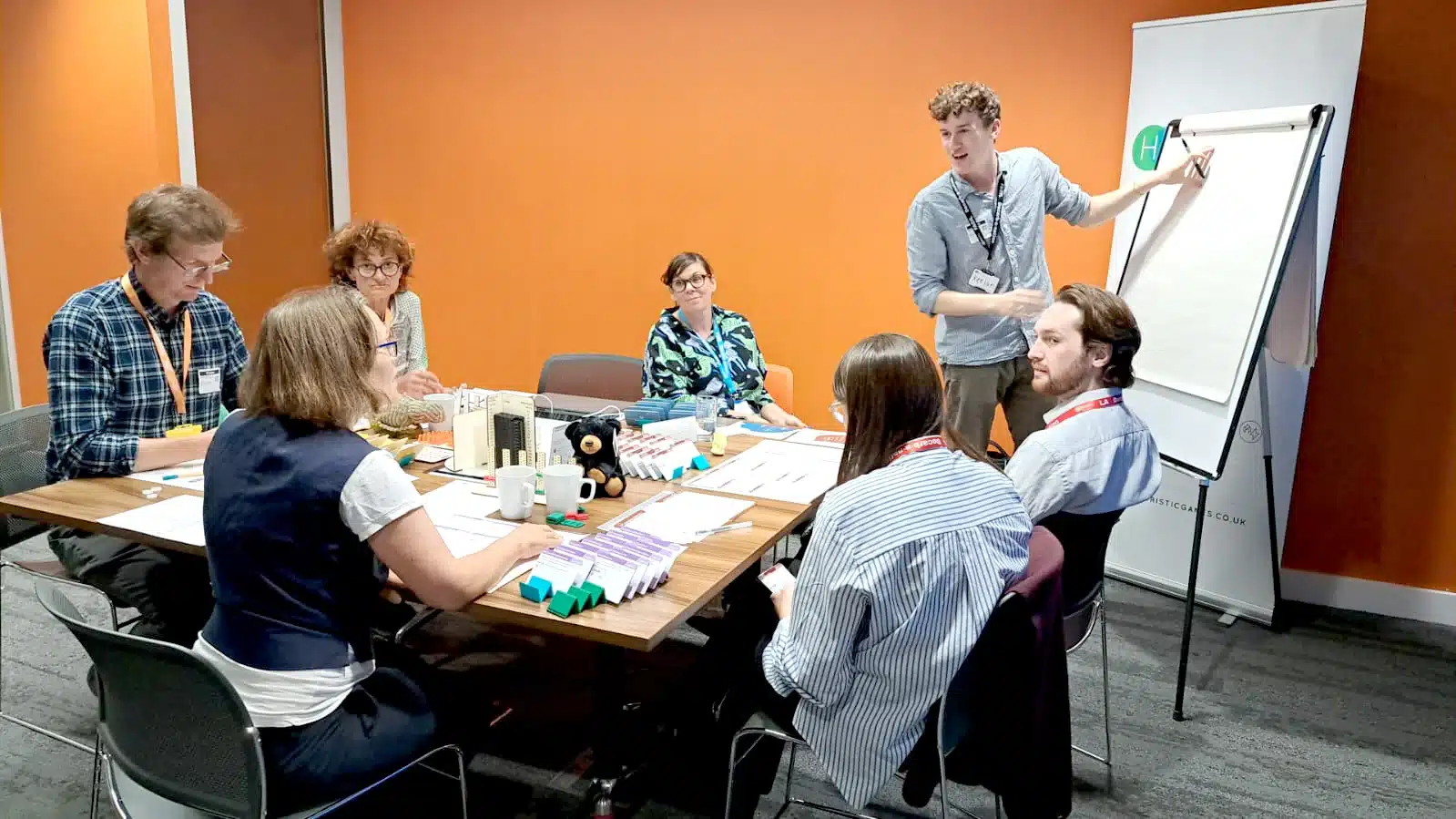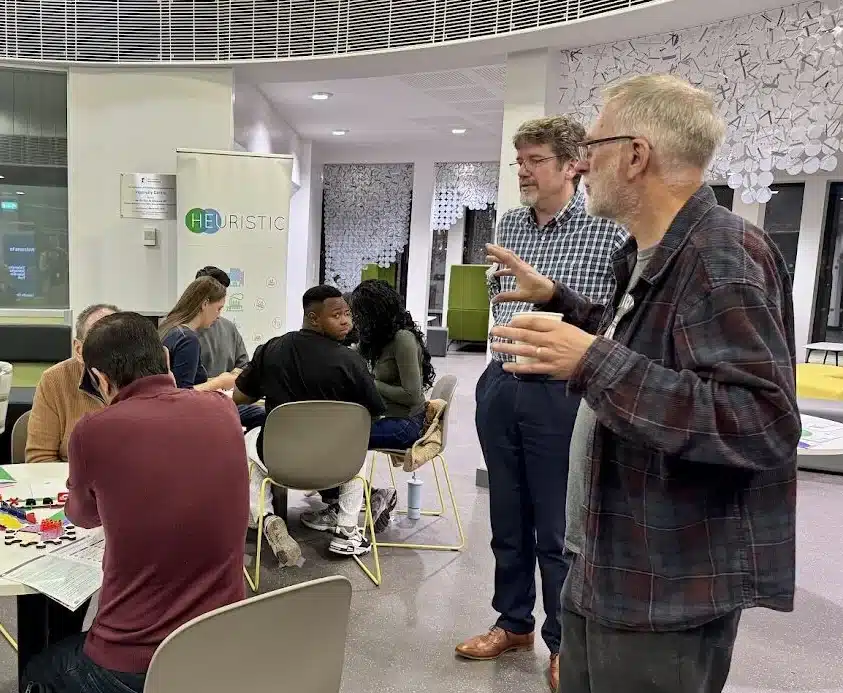
Years of designing and delivering serious‑game workshops at Cultivate’s sister company, Heuristic, has taught me that the most effective learning starts simply and builds complexity round by round. Even highly knowledgeable participants can find the game environment unfamiliar at first, making a practice round essential — it helps everyone understand the rules of the world they’re about to inhabit.
This levelling effect is powerful. In a recent workshop, everyday system users sat alongside eminent professors. Despite the difference in expertise, it was the users who grasped the mechanics first, and from that moment the group’s conversation became more open, confident, and collaborative about decision making.
Decision‑making is never an exact science. There is rarely a single “right” answer.
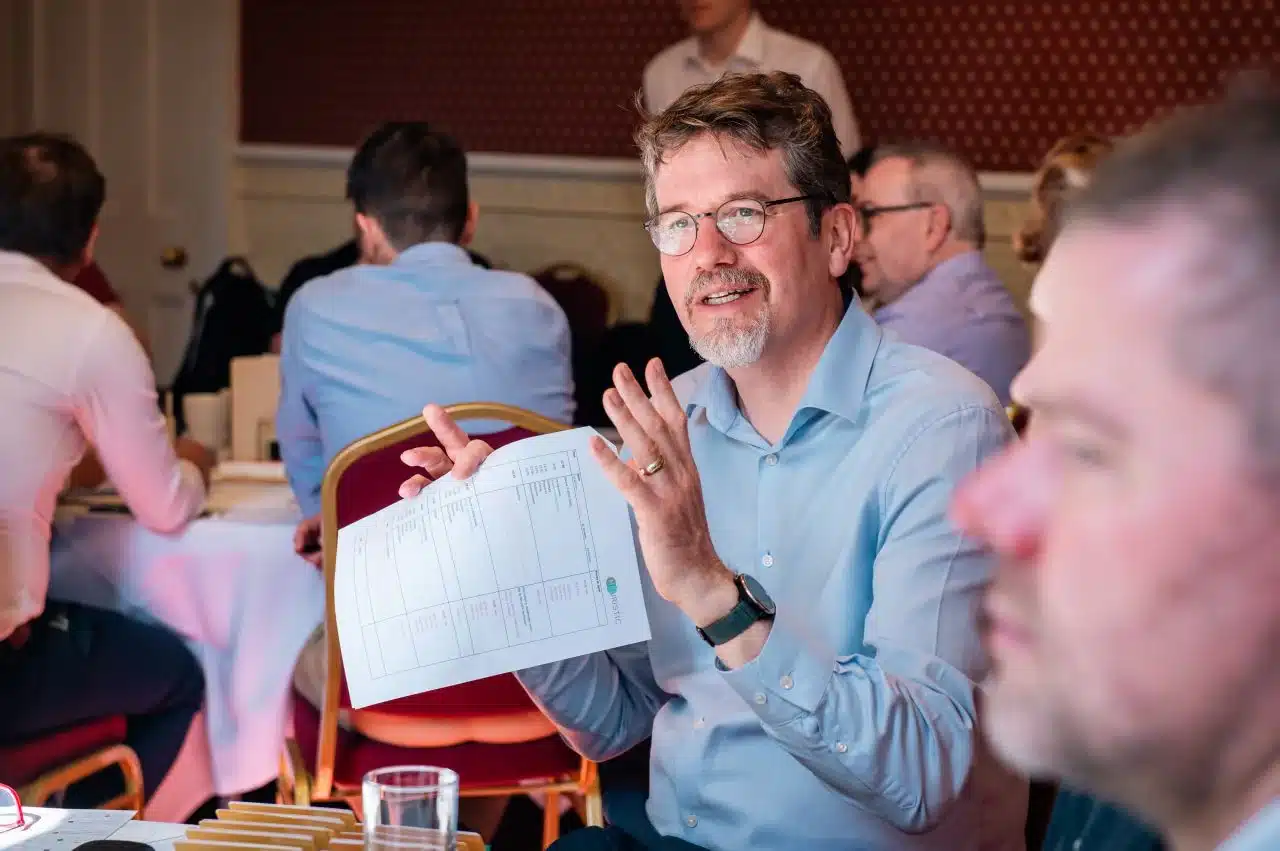
Once participants understand the rules, we can introduce significant diversity and complexity into the system models — mirroring real‑world conditions and increasing decision pressure. People respond in different ways: some build detailed spreadsheet models to track every moving part, while others take an iterative approach, testing ideas, failing fast, and adapting. Both strategies are valid in environments defined by limited information and future uncertainty.

There are a lot of people out there working to decarbonise our economy in a wide range of diverse situations. They are learning how to make things happen on the ground in a way that makes a difference and drives progress. By sharing these experiences with one another we learn how to do things better …and there’s no greater encouragement when things get tough than knowing that you’re not the only one trying to make a difference.
Decision‑making is never an exact science. There is rarely a single “right” answer. Our workshops create a safe space to explore potential missteps, learn from them, and reflect on the decision‑making process itself — with the only real risk being that you don’t win a prize.