What problem are we trying to solve? For me, the answer is clear: climate change. It’s the defining challenge of our time—an existential threat that shapes how I think, work, and live. I don’t worry about it like I used to worry about about nuclear war as a teenager, but it remains the issue that drives much of what I do.
A fair transition to a low-carbon economy must consider not just technical feasibility, but social equity.
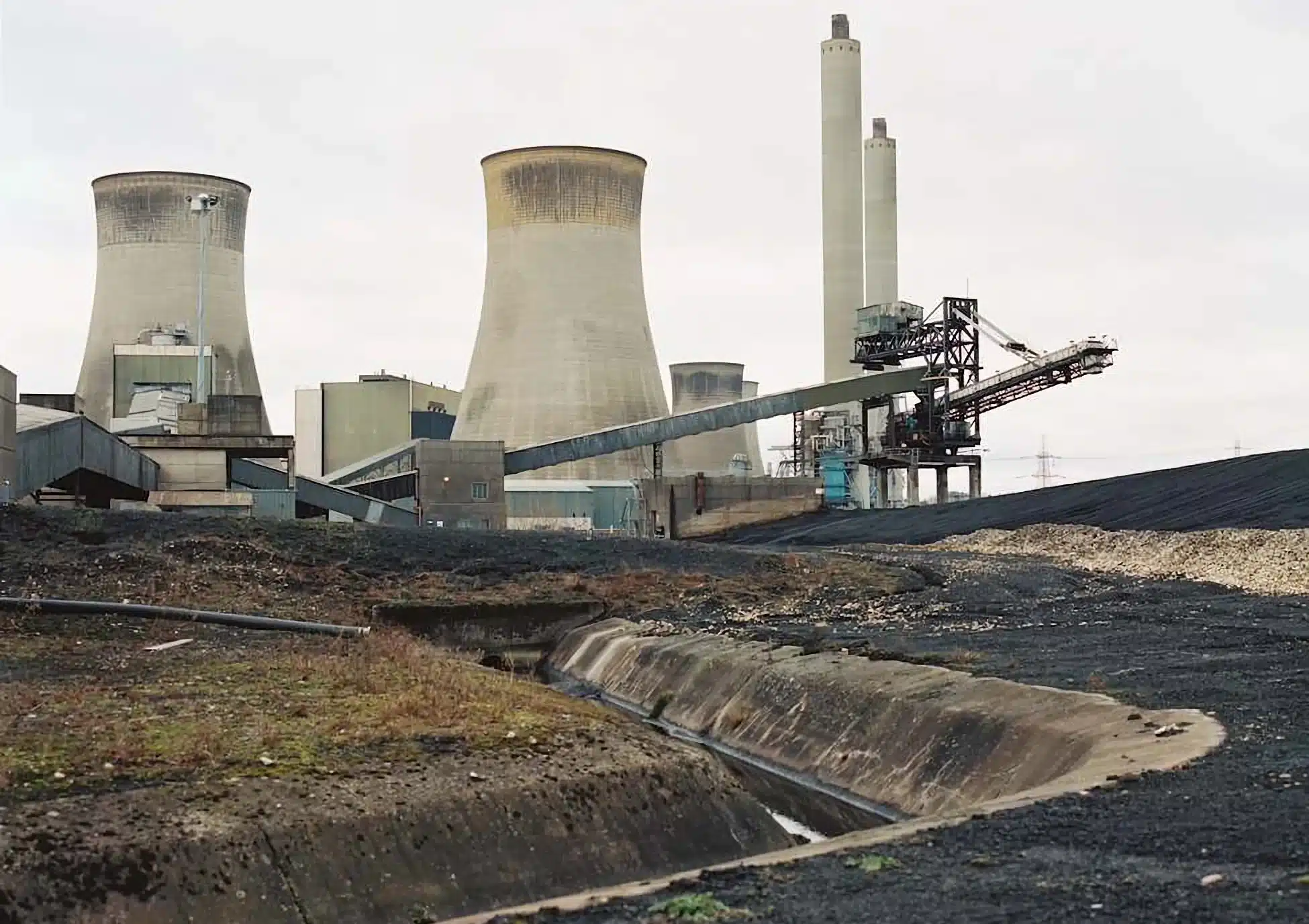
But then it would… As an engineer with a career in energy and transport, I’ve spent years working to reduce harmful emissions—from carbon monoxide and particulates to carbon dioxide. We made progress, but many of the systems I worked on over the years have now been scrapped or demolished. That leaves me wondering: were we solving the ‘right’ problems?
A fair transition to a low-carbon economy
Beyond my professional life, I’m also a member of society; a son, a husband, a father, and a small business owner. These roles shape my concerns in different ways—sometimes more immediate, sometimes more personal. And they reflect the kinds of worries many people share, including the ones that influence elections and public policy.
So what are the ‘right’ solutions? And ‘right’ for whom?
A fair transition to a low-carbon economy must consider not just technical feasibility, but social equity. Some communities will inevitably face greater disruption than others due to the climate change challenge. How do we ensure the transition is just—and seen as just—by the majority?
Energy demand and supply
Historically, we’ve focused heavily on the supply side: cleaning up how we produce energy, goods, and services. But we’ve paid less attention to the demand side—the behaviours, habits, and social norms that drive emissions in the first place.
And perhaps most importantly: how do we move forward without getting stuck in endless debate? Reflection is vital, but so is action. The challenge now is to deliver solutions that are not only effective, but fair, inclusive, and grounded in the realities of everyday life.