
For some time there has been concern about the rise in numbers, especially among young people, of those not in education, employment or training (NEET). If this trend continues such that it requires a more forthright political response, it is worth those of us working on the solutions for climate change paying attention to it – it will affect the decisions that are made and the investments that are supported.
…the energy system does not just deliver energy. It is such a key part of the wider economy, that any decisions made relating this system are not just about optimising energy production…
Economic efficiency in the energy sector
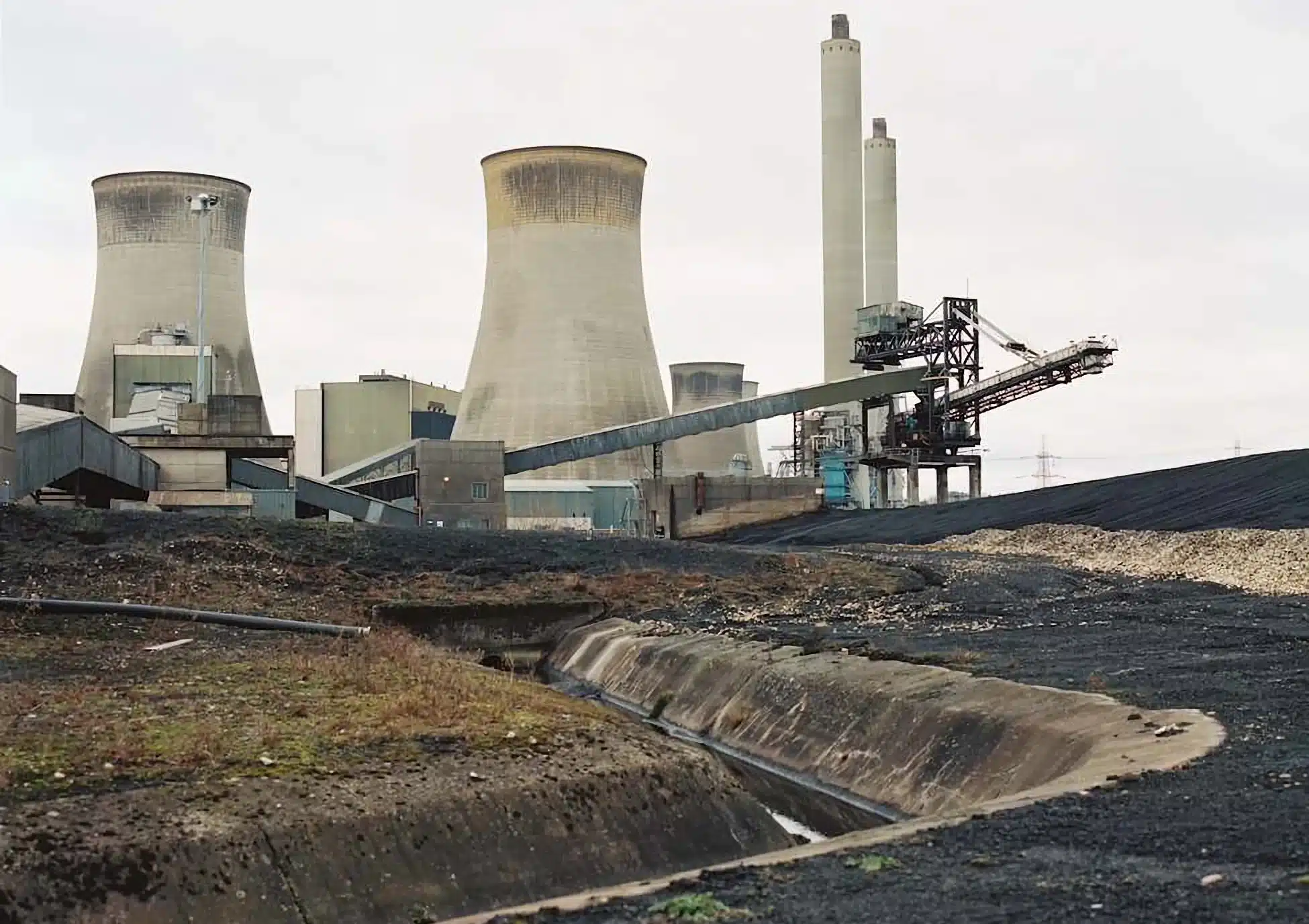
Being somewhat long in the tooth now, I have seen this cycle several times throughout my career. When I first entered the energy sector, immediately post-privatisation, there was a huge effort to improve economic efficiency by reducing the numbers of people permanently employed in the industry. In the days of the nationalised CEGB a 2GW power station would employ 2000, by the time I joined the sector this number had reduced to 200.
This did nothing for the energy efficiency of those plants (the thing I cared about as a combustion engineer), but that was no longer the key issue that the sector was trying to deal with.
Do low carbon energy solutions deliver jobs?
Given this history, I found it very interesting in the early years of this century, as we began the process of investing in the much-needed low-carbon energy solutions now ubiquitous in our energy system. One of the key arguments for these investments was that they delivered jobs, and I remember being flabbergasted when decision-makers backing new renewable investments would boast about how the opening of a new 50 MW power plant would deliver 100 jobs into the local economy. In electricity terms that’s a twenty-fold reduction in production efficiency, but that’s not the issue that was being addressed.
It points to a mistake that is so easy to make as an engineer – the energy system does not just deliver energy. It is such a key part of the wider economy, that any decisions made relating this system are not just about optimising energy production or even minimising the cost of our transition to a low-carbon economy.
Will decarbonisation decrease the number of NEETs?
However, just at the moment, we are once again at a point in the economic cycle where public expenditure rules. The major decisions are all about ‘minimising costs to hard-working tax-payers’, and the decisions about how and why we should decarbonise the economy are being driven by these considerations. But, back to the point I started with, I wonder how long it will be before the political discourse moves on again and jobs or even some other as yet undefined measure becomes the key metric by which the success of individual investments are assessed, re-shaping the solutions that the country adopts.
Will the need to ensure that all of our young people have jobs drive us to approach how we decarbonise our homes in a very different way? For how long will that be the dominant narrative and what legacy will it deliver? … and how do we build all this into our energy system modelling?